

Spotlight: Willingboro, NJ
Willingboro is a community that rewards people who want to stay put. It’s not a town built around tourism or trendy weekend crowds. It’s a place designed for families, stability, and neighbors who actually know each other. A good number of residents grew up here, moved back, or raised children in the same neighborhoods their parents once did. Others arrived through the military or via transfers related to the region’s academic, manufacturing, and federal workforce. The end result is a township that feels grounded, steady, and deeply residential.
A Community That Shows Up for Itself
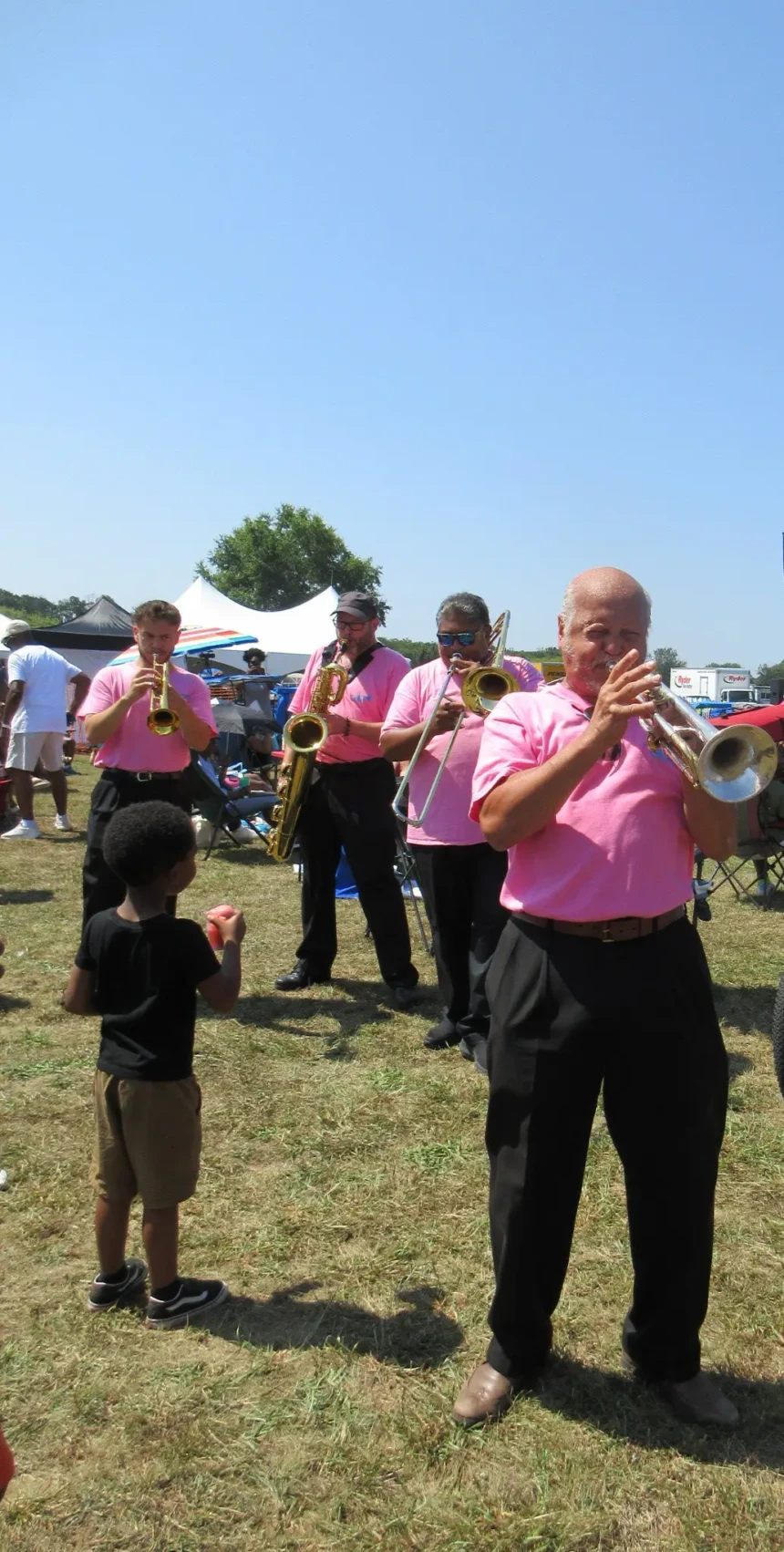
Willingboro’s civic DNA revolves around participation. Events aren’t outsourced to private promoters; they’re initiated, staffed, and supported by the township. Spring and fall festivals, fireworks, trunk-or-treats, food truck nights, youth programming, and holiday events are run with the expectation that residents will show up and they do. Attendance often spans generations: grandparents watching grandkids in the same parks their children once played in, neighbors catching up, and families bringing lawn chairs as if it were second nature.
Pocket parks are distributed throughout the neighborhoods, plus a handful of larger parks for sports, walking, and gathering. The spaces are functional rather than ornamental, and they get used. Willingboro also maintains strong township departments including Permitting & Construction, Public Works, and Recreation, that residents regularly interact with. There isn’t a distant “city hall” culture here; residents deal directly with departments that are part of daily life.
Schools, Arts, and Local Pride
Education and arts programming are central to the township’s identity. Willingboro High School’s Chimeras Marching Band has long been a point of PRIDE, known for both creative performances and competitive strength. Families who grew up with the band now return to cheer for the next generation.
The Kennedy Center operates as one of the township’s community anchors, offering space for sports, after-school activities, and cultural programming. For a suburban township, this level of public infrastructure is unusually robust and signals a commitment to youth, families, and intergenerational engagement.
Housing: Practical, Adaptable, and Designed for Real Life
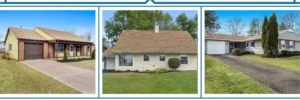
Willingboro was one of the early planned suburbs of the post-war era. Homes were intentionally modest, single-family, single-lot, and designed to be lived in rather than admired from afar. Most structures fall into three recognizable categories — Ranch, Cape Cod, and L-Ranch — each flexible enough for expanding families, aging in place, or multigenerational configurations. It is common to meet residents who have lived in the same home for 20, 30, or even 50 years.
For many military families, Willingboro represents the bridge between mobility and permanence. After years of relocation, the township’s quiet streets, larger yards, and access to VA loan options make it an attractive landing spot for building long-term roots.
At the other end of the spectrum, younger families choose Willingboro because the homes are sensible, the layouts adapt, and the neighborhoods feel stable. There’s a practical economy to the design here: the houses aren’t trying to impress strangers; they’re trying to work for the people living in them.
Planning, Standards, and Why It Matters
Unlike many suburbs that age unpredictably, Willingboro maintains layered standards that keep neighborhoods in good condition over time. One example is the township’s sewer certification requirement during property transfer — an unusual policy for a mid-century suburb, but one that protects critical infrastructure.
Contractors who miss that step feel it. Keith, a GC for Kroke Brothers said they’d finished his first rehab renovation in Willingboro & house was under contract when he found out about the sewer certification. It failed after renovation and had to replace the entire sewer line, including new landscaping, a roughly a $25,000 correction. Painful for the project, beneficial for the street.
Sewer laterals are often homeowner responsibility, but Willingboro chose to verify functionality at the point of sale, a moment when repairs can actually be enforced. It’s the kind of policy that prevents deferred maintenance from turning into neighborhood decline.
Willingboro also maintains a vacant property registry to discourage long-term abandonment and protect surrounding homeowners. These aren’t splashy policies, but they’re part of why houses here stay livable, desirable, and family-ready across generations.
Local Businesses That Reflect Local Values
Willingboro’s business landscape leans toward small, practical, and community-oriented rather than lifestyle retail. A few noteworthy examples include:
- Style by Honeydrop A local boutique offering clothing and accessories, run by a Willingboro resident.
- Roots Dispensary A woman-owned business that directs 2% of net profits back into local organizations, prioritizes resident employment, and treats wages and advancement seriously.
- Smokin’ Rev & Lady Q’s Gourmet BBQ A food truck serving Friday–Sunday and a familiar presence at township events including the Willingboro Jazz Festival.
These aren’t hypothetical “small business” talking points, they’re the actual ecosystem that keeps a township culturally alive.
Why People Stay
If you ask residents why they remain in Willingboro, the answers tend to sound like this:
- “Family is here.”
- “It’s quiet.”
- “The schools and activities keep kids busy.”
- “My parents bought this house.”
- “It’s a good place to retire.”
- “The parks are right there.”
- “The houses make sense for real life.”
None of these responses are aspirational slogans. They’re what happens when a place is built to be lived in instead of marketed.