

To most people outside New Jersey, the Pine Barrens are known for exactly one thing:
that episode of The Sopranos. Season 3’s “Pine Barrens” cemented the region
in pop culture as a place where people get lost, things go wrong, and the woods seem endless.
It wasn’t entirely fiction—the Pine Barrens are vast, quiet, and disorienting if you
don’t know them—but that’s only a sliver of the story.
In reality, the Pine Barrens are one of the most important ecological regions in the Northeast. Spanning over a million acres of protected land across South Jersey, they sit atop the Kirkwood-Cohansey Aquifer, supplying some of the cleanest drinking water in the state.
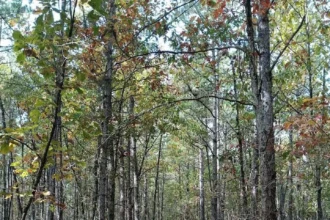
The sandy soil, pitch pine forests, and rare plant species create an ecosystem found almost nowhere else in the world. Preservation efforts have kept the landscape largely intact, which is why the area still feels wild in a state better known for highways and density.
The people who live in and around the Pine Barrens—often called “Pinies”—are part of that preservation story. While outsiders have sometimes painted them as insular or eccentric, the reality is far more grounded. These are multigenerational residents with deep ties to the land, its rhythms, and its history. Independence is a cultural trait here, not a threat, and stewardship
of the forest has long been a way of life rather than a buzzword.
And then there’s the mythology. The Jersey Devil—whispered about for centuries and kept alive through local storytelling and outlets like Weird NJ—remains part folklore, part cultural shorthand.
It’s less about fear and more about identity: a reminder that New Jersey, especially
South Jersey, has always had its own stories, separate from the skyline views and accents people expect.
So yes, the Pine Barrens can feel eerie. They can feel vast. They can feel unfamiliar. But they’re also a living example of successful conservation, cultural continuity, and the quiet power of land that’s been allowed to remain itself. Long after the Sopranos episode fades, the Pine Barrens will still be here—protecting water, preserving history, and reminding people that New Jersey has wilderness too.
Photo Credit: David Leonard
Related Posts:
Great Hikes in Burlington County
Township Pages